There Is No "There", Only Here: What Actually Happens in Transpersonal Art Therapy
If you have ever considered therapy but felt hesitant, it makes complete sense. Putting therapy at the bottom of your list is a very normal response because taking that step can feel scary. It is a genuine investment of your time, energy, and resources without any guaranteed quick payoff. There is no instant gratification here, mostly because part of the deeper work is realizing that isn't how true growth actually happens.
It can be deeply frustrating when we intellectually understand our "problems" or patterns, yet feel like we constantly need to outsource ourselves to fix them. In fact, if you can articulate your problem, then you already know the answer. That means the problem isn’t actually the problem; something else entirely is asking to be tended to that might be sitting just outside your awareness. It is easy to get caught in a cycle of treating life like an endless self-improvement project, chasing a "perfect" future version of ourselves that we are trying to get to.
That often looks like trying to quiet the loudness of your internal experience, overthinking, scatteredness, or overwhelm by tweaking your calendar, trying to change your habits, or searching for the exact formula to make you feel whole.
The truth is, there is no formula. There is no 5-step list. There is no "there", only here. Therapy helps us learn how to simply be here.
What actually happens in a session?
Surprise: we start by simply getting to know you.
The first session is usually about going through your intake form and having a clear, gentle chat about your goals, your desires, and the things you might be struggling with. Together, we make a plan for how we might explore what is going on for you. We look at what has worked in the past, what hasn't, how you like to be supported, and just as importantly, how you don’t like to be supported.
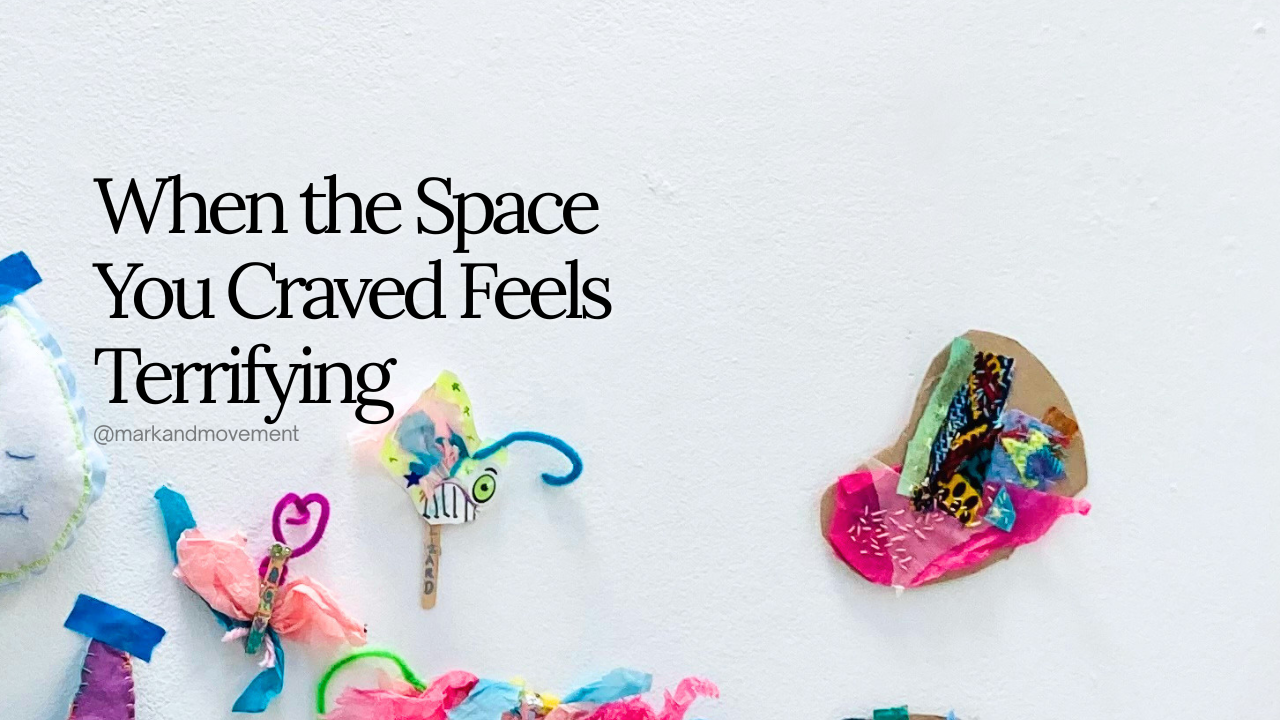
We establish a clear container that welcomes you into being with yourself. This foundation is essential. Rushing to get to "the thing" cannot happen until we have set up a grounded, safe structure. If having structure helps you feel anchored, we build a gentle rhythm together. If you need spaciousness, we hold room for that instead.
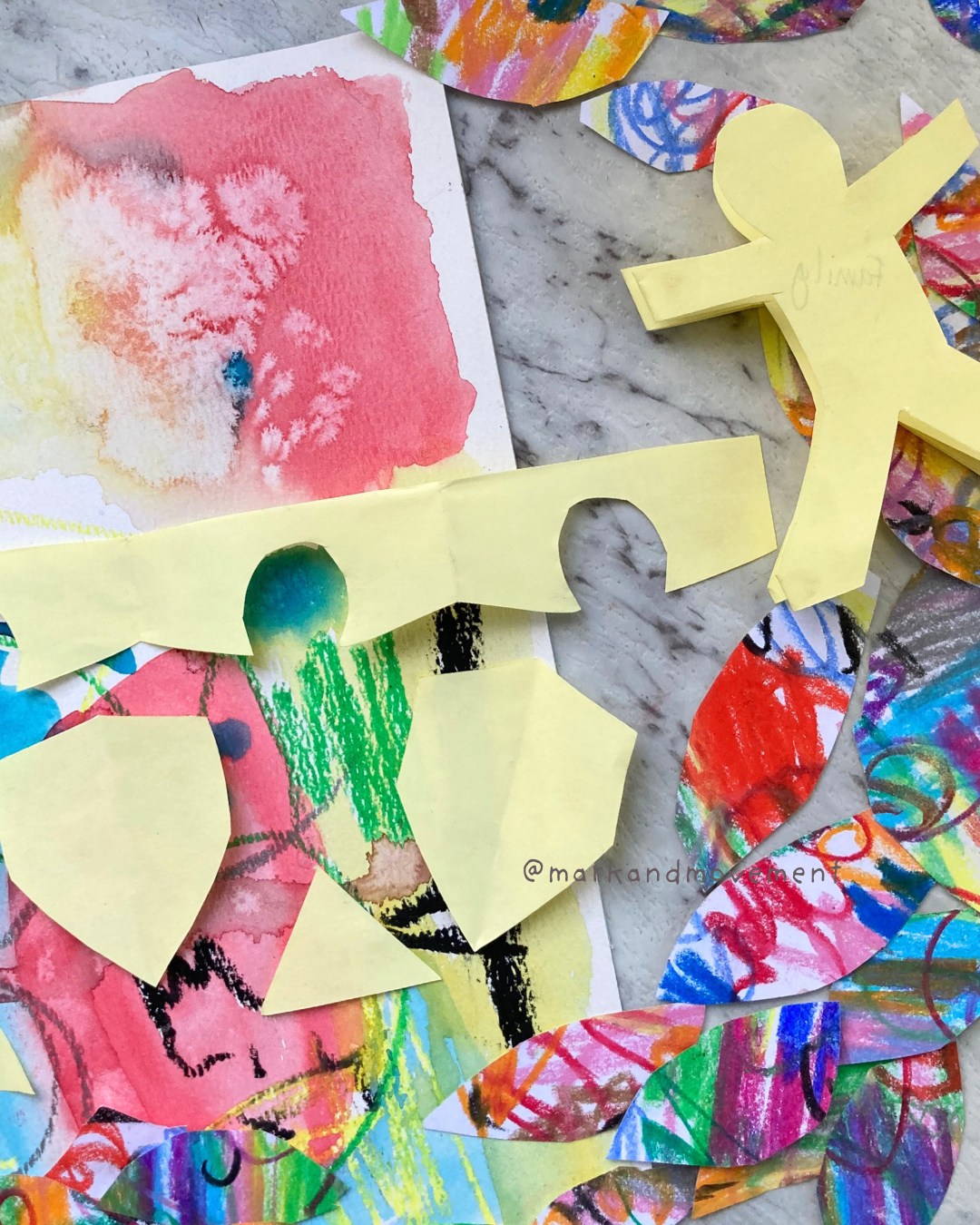
We might also chat about simple materials you might like to have handy, like paper, charcoal, oil pastels, clay, or watercolour paint.
"But I'm not an artist."
A very common thing people say before starting is, "But I’m not an artist" or "I’m not creative." Yet there you are, standing at the doorway of art therapy, feeling like you aren't allowed in.
This is what we are here to explore. These thoughts and beliefs aren't a wall keeping you out; they are the doorway itself.
I won't offer simple platitudes like "Everyone is creative!" because that doesn't actually help you, and it misses what you are really expressing. Instead, with warmth and curiosity, I might ask you to reflect on a few questions:
Where did that voice come from?
What is it trying to protect?
You don't need to have an immediate answer. It is simply about creating enough internal space to let the parts of you that are ready to speak be heard and responded to.
I might invite you to ponder what happens when we stop trying to make "good art" and instead let colour, texture, and shape become a bridge into what you are experiencing within your being: your feelings, physical sensations, emotions, and images.
This is why you will often hear art therapists say, "You do not need any skill or experience." What we mean is that the art is not the point. You are.
Art making is a doorway to help you make contact with parts of yourself that words alone struggle to reach. It tends to the non-verbal parts of you, the ones that didn't have the language or understanding to describe formative experiences when they happened, yet experienced them nonetheless.
These experiences shaped you, one way or another, and continue to influence and direct your life, creating well worn patterns that may have served you once, but are perhaps no longer very supportive. It is this blind spot, the habitual way of doing, thinking, and being that is explored: not to find someone or something to blame, but to really ask, "Does this help or hinder me? Is this helping me live a meaningful and fulfilled life?"
What won't happen here:
Unsolicited advice or quick fixes.
No clinical labels or diagnosis.
No assumptions about who you should be or how you should feel.
A session is a soft, open, and supportive space to catch up with yourself, learn to listen to your own inner landscape, and meet yourself exactly as you are.
Understanding the Transpersonal Approach
Transpersonal art therapy does not pathologize your lived experience or force your inner world into a clinical box. It holds space for the whole of who you are, including your spiritual experiences, intuitive knowings, personal cosmologies, or felt senses of past life themes. Nothing you bring is rejected or treated as strange.
As Carl Jung put it, "Learn your theories as well as you can, but put them aside when you touch the miracle of the living soul."
Instead of diagnosing or judging your beliefs, transpersonal art therapy and counselling invites you to look at your identity and worldview with quiet curiosity:
How did I come to hold this belief or identity?
Does it still fit who I am becoming, or does it leave me feeling flattened and restricted?
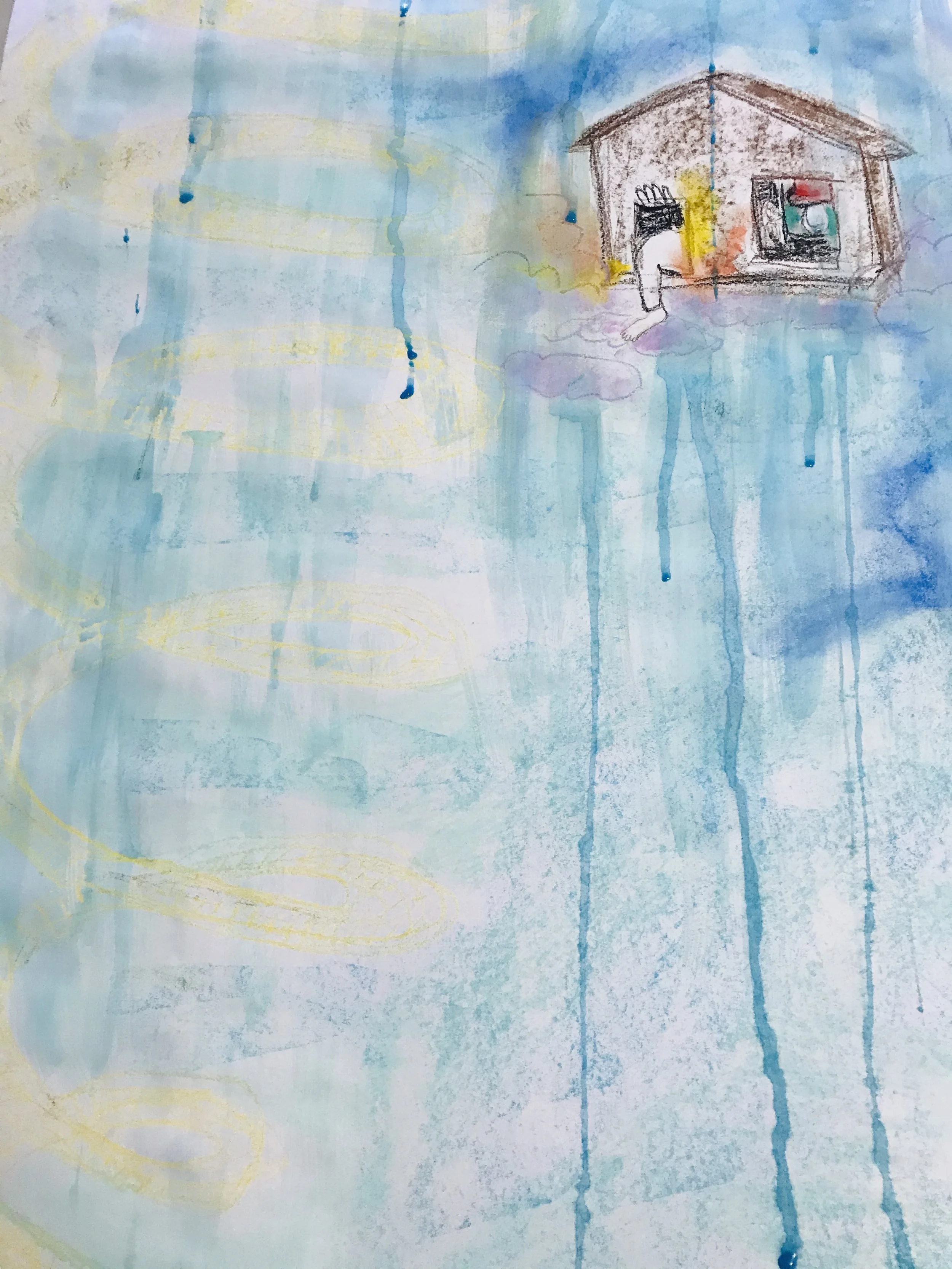
Through art making, we bridge the gap between your everyday mind and your deeper essence. It gives form to the intangible, allowing you to explore these vast parts of yourself safely, authentically, and on your own terms.
Accessing the Unconscious
In our ordinary, everyday state of consciousness, our ego defenses vigilantly protect us from experiencing discomfort, whether perceived or real. It is doing its job, but it can also keep us looping in the same thoughts. But real change or self discovery doesn’t happen in our comfort zone.
This is why we use altered states, such as guided meditations, breath, stories or visualization, to step past those protective guards and explore your inner landscape.
We look at dreams, and we even daydream directly into the imagery, colours, and textures that emerge during a session. It allows us to look beyond the surface of what your mind is telling you and listen to what your unconscious is communicating instead.
The unconscious mind holds so much more than our waking mind can grasp; it carries the vastness of all we can be. From these altered states, you bring back rich data: symbols, words, felt sensations, and images.
There is no need to fear what might emerge. In this work, your inner system is wise, and only what is ready and helpful for you to meet will come forward.

My Role: A Helpful Guide, Not The Expert
In our sessions, I am not here as an authority on your life. I am a curious collaborator, standing in as a holder of the lantern to help you navigate your inner world. It is incredibly difficult to see ourselves objectively or fairly when we are trying to process something complex and confusing within ourselves.
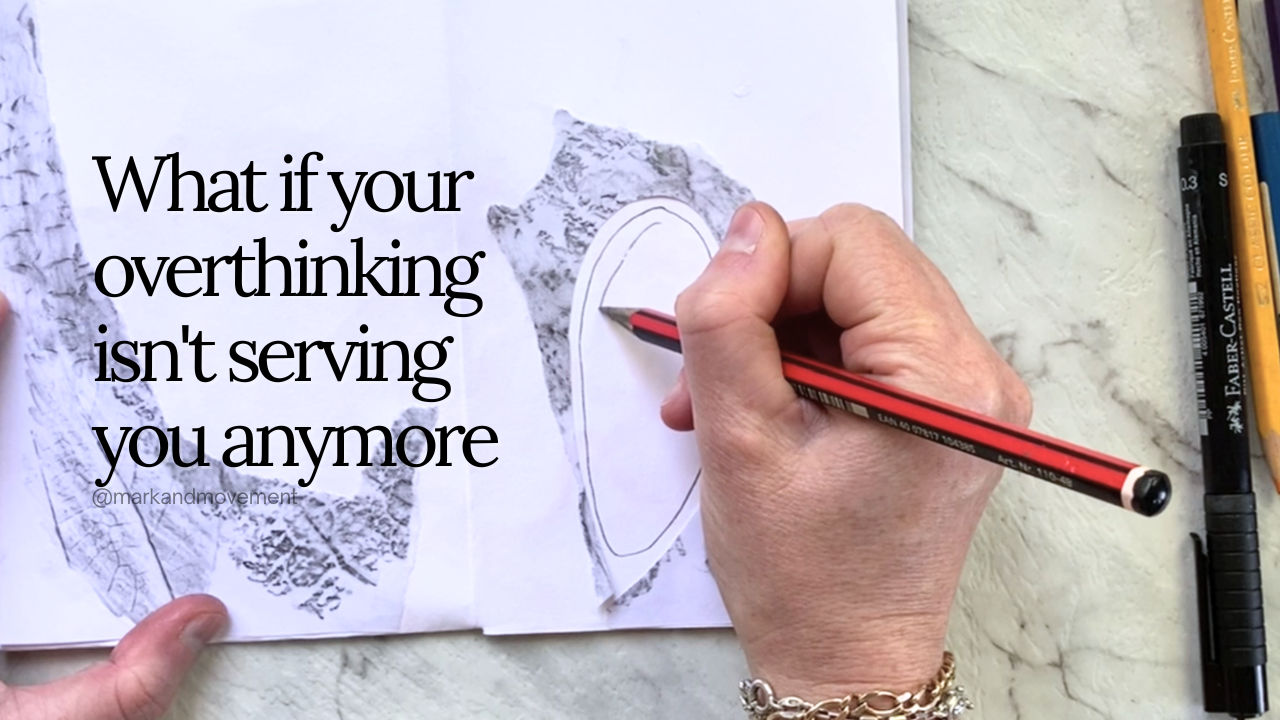
Many people who come to work with me are overthinkers. The thinking mind naturally rushes straight to logic, trying to analyze why you feel a certain way. In that rush, the actual felt experience gets completely bypassed.
Our work is about slowing that moment down.
Instead of rushing to make meaning or running away from discomfort, we cultivate a way of being with the feeling. We tune into the emotion, the physical sensation, and listen to what it is trying to communicate, without any urgent pressure to act or "fix" it. I help hold that space so you can tune into your body without dropping into a threat response, learning to respond rather than react.
I set up the container to help you find your intuition and inner wisdom again. Together, we navigate the layers, external pressures, expectations, and the various roles and identities you have accrued over the years, gentle inquiry into what might be stopping you from standing in your truth.
The Real Work is Happening Between Sessions
A therapy session is not a place where you are trained to go out and be "perfect." It is a circuit breaker.
It is a quiet space to reset, bring all of yourself together, and have an honest conversation with yourself about how things are going.
The real work happens out in your everyday life, as a human being experiencing the world. You might find moments of friction, or bump up against old patterns. Rather than judging those moments, you bring them back into our sessions. In a soft, compassionate way, we explore that friction with curiosity, asking what it is trying to tell you and how we might work with it together.
Getting Started
I currently have open availability for 1:1 online transpersonal art therapy and counselling sessions. If you feel called to explore this way of working, you are welcome to reach out to ask a question, book a discovery call or initial session here.
More blog Posts: