Gel Plate Image Transfer: A Step by Step Guide
Image transfer is a brilliant next step once you've explored the basics of gel plate printing. It's one of those techniques that feels like a little bit of magic the first time it works, and a useful learning curve when it doesn't. This guide walks you through the process step by step. For an introduction to gel plate printing and the foundational techniques, head to the intro blog here.
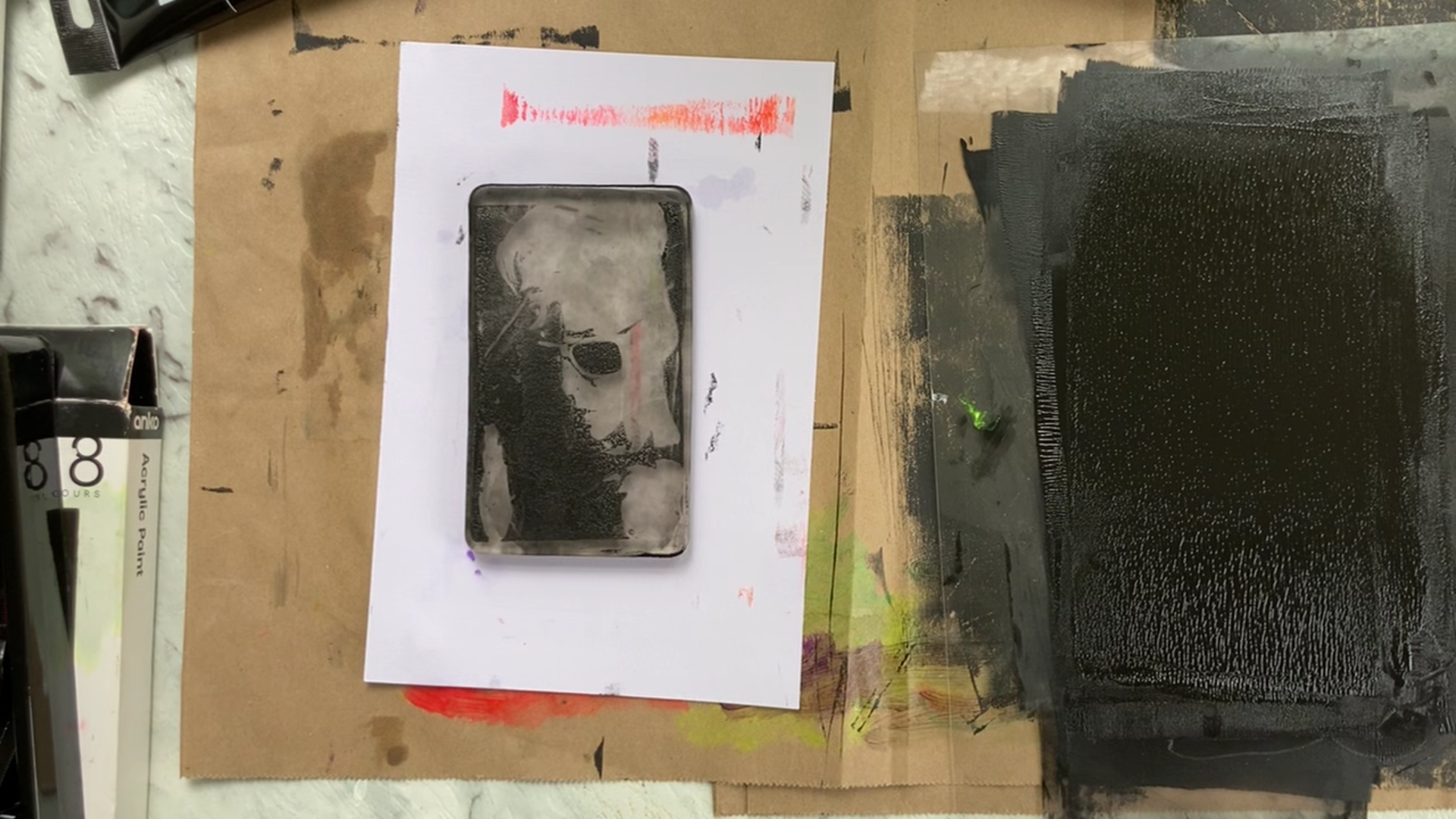
What you need:
Gel plate
Brayer
Opaque acrylic paint
Plastic or perspex plate for rolling out paint
Laser printed or photocopied image
Variety of paper for printing
Paper towel
Drop sheet or scrap paper
Soft cloth and warm (not hot) soapy water for cleaning
A good chunk of time to practice the techinque
Steps for image transfer:
1. Prepare your image Use a high contrast black and white or colour laser print. Laser prints and photocopies only — inkjet will not work for this method.
2. Apply paint Apply a small amount of opaque acrylic paint to the gel plate and spread it into a thin, even layer using your brayer. The paint must be opaque for the transfer to work.
3. Place and transfer Place the printed image face down onto the wet paint. Rub the back of the paper gently but thoroughly for about 10 to 20 seconds, then remove the paper to reveal your image transfer.
4. Dry Let the paint dry completely for 10 to 15 minutes.
5. Apply your pickup layer Apply a thin layer of paint over the transferred image. Any colour works here, pick whatever you like.
6. Print Place a fresh piece of paper on top and rub evenly to pick up the image and create your print. Peel back slowly to reveal.
Watch the full video walkthrough here.
Tips for success:
This process is trial and error and a big part of the learning curve. Don't be disheartened if the first couple of tries don't work out. Take notice of what you did or didn't do, adjust and try again.
Laser prints and photocopies only. Toner resists acrylic paint, inkjet does not. Essentially the toner creates a ‘mask.’
Thin glossy paper can give sharper, cleaner transfers.
Don't rush. Letting the paint dry completely before lifting gives a cleaner result.
Opaque paint is essential for the transfer layer. Any paint works for the pickup layer.
Where to go next:
Once you've got the hang of the basic transfer, there's a lot of room to experiment. Certain glossy magazines with high contrast black and white images work well as a source, worth having a browse before you recycle them. You can also take your own photos and convert them to high contrast black and white before printing, which opens up a whole personal layer to the work.
And if you want to take it somewhere more reflective, consider what kinds of images actually hold meaning for you. What has made an impression on you? Images from your youth, films, music, places you've been or longed to go. The image transfer process is quite literally about what leaves a mark. There's something worth sitting with in that.
Keep exploring Gel Plate Printing
Try out more Gel Plate Printing techinques
Check out my previous Gel Plate blog whicih explores gel print techniques and unpacks them through the lens of transpersonal art therapy. You’ll find video tutorials of basic gel plate printing techniques and how to transform your gel prints into mini artist books.
Find more guided art process and tutorials at YOUTUBE